


Quick answer
Who is a reliable caps supplier and exporter for Nigeria?
Hurain Garments Exporter, based in Palanpur, Gujarat, manufactures, wholesales and exports caps to buyers in Nigeria, including Lagos, Onitsha, Benin City. We quote FOB, CFR or CIF Apapa with about 25–40 days sea transit and full export documents.
Why Nigeria needs caps
Nigeria is Africa's largest consumer market and a fashion-led market of over 200 million people, with Lagos, Onitsha and Kano feeding markets across West Africa and the Sahel.
Caps are cheap to ship and easy to brand, so they feature in promotional orders, school and event wear, and retail accessory ranges.
Retail chains & stores in Nigeria
Retail chains, department stores and independent shops in Lagos, Kano and Onitsha restock with imported shirts, T-shirts, jeans and kidswear, and increasingly ask for private-label ranges.
In Nigeria, department stores and shopping-mall brands buy caps from us mainly for sports clubs, academies and teams and gym and athleisure retailers.
Top 15 cities for caps in Nigeria
Ranked by how closely each city's industries match the buyers of caps. Every city links to its own page with local delivery details.
- 01Caps in Lagosport: Apapa / Tin CanRetail chains & storesWholesale & trading housesSchools, institutions & corporate uniforms
- 02Caps in Onitshavia Onne · 1–2 days by roadRetail chains & storesWholesale & trading housesOnline marketplaces & D2C brands
- 03Caps in Benin Cityvia Apapa / Tin Can · 1 day by roadRetail chains & storesWholesale & trading housesOnline marketplaces & D2C brands
- 04Caps in Ibadanvia Apapa / Tin Can · 1 day by roadWholesale & trading housesRetail chains & storesSchools, institutions & corporate uniforms
- 05Caps in Abavia Onne · 1 day by roadWholesale & trading housesRetail chains & storesSchools, institutions & corporate uniforms
- 06Caps in Abujavia Apapa / Tin Can · 2–3 days by roadRetail chains & storesWholesale & trading housesSchools, institutions & corporate uniforms
- 07Caps in Port Harcourtvia Onne · 1 day by roadRetail chains & storesWholesale & trading housesOnline marketplaces & D2C brands
- 08Caps in Enuguvia Onne · 1–2 days by roadRetail chains & storesWholesale & trading housesOnline marketplaces & D2C brands
- 09Caps in Kanovia Apapa / Tin Can · 3–4 days by roadRetail chains & storesWholesale & trading houses
- 10Caps in Kadunavia Apapa / Tin Can · 2–3 days by roadWholesale & trading housesSchools, institutions & corporate uniformsOnline marketplaces & D2C brands
- 11Caps in Abeokutavia Apapa / Tin Can · 1 day by roadSchools, institutions & corporate uniformsWholesale & trading housesOnline marketplaces & D2C brands
- 12Caps in Calabarport: CalabarWholesale & trading houses
- 13Caps in Onneport: OnneWholesale & trading houses
- 14Caps in Warriport: WarriWholesale & trading houses
- 15Caps in Josvia Apapa / Tin Can · 3 days by roadWholesale & trading houses
The garment market in Nigeria
Nigeria is Africa's largest consumer market and a fashion-led market of over 200 million people, with Lagos, Onitsha and Kano feeding markets across West Africa and the Sahel.
Buyers here are importers in Lagos supply wholesalers at Balogun, Idumota and Onitsha; fashion boutiques buy shirts, kaftans and dresses; schools, churches and corporate buyers order uniforms and event wear.
What buyers in Nigeria look for
Buyers want bold printed shirts, ready-made kaftans, T-shirts, jeans, leggings, school uniforms and church and wedding wear.
Hot and humid for much of the year, with rains from April to October. Demand peaks before Christmas, Easter, Eid and the wedding season (November to February), so orders are placed 3–4 months ahead.
Import rules and labelling for Nigeria
Importers use Form M through an authorised bank before shipping, and duties and levies apply; used clothing is prohibited. Confirm current rules with your bank and clearing agent.
Duties and taxes: Import duty plus VAT under the ECOWAS CET; Form M and SONCAP apply. Rates change, so confirm the HS code and duty with your customs broker before you finalise landed cost; we supply the invoice, packing list and certificate of origin needed for clearance.
Planning your caps order for Nigeria
Timing decides whether caps sell at full price or at a discount in Nigeria. Hot and humid for much of the year, with rains from April to October. Demand peaks before Christmas, Easter, Eid and the wedding season (November to February), so orders are placed 3–4 months ahead. For caps specifically, caps sell strongly in summer, at sports events and in promotional campaigns; winter beanies are ordered by July for the northern autumn. Our lead time is 25–40 days, plus sea transit of about 25–40 days, so we advise confirming orders early enough to land the goods before the peak rather than during it.
Typical buyers of caps in Nigeria include promotional-merchandise companies, sports and event organisers, school and uniform suppliers and retail chains and wholesalers. Around Lagos, Kano and Onitsha, they usually order 1,000–3,000 pieces per design; 500 pieces for stock colours with simple embroidery and reorder the styles that sell through, so we keep fabric, size ratios and labels on file for repeat shipments.
Fabric, fit and colour choices for Nigeria
Because the climate in Nigeria is hot, breathable fabrics move fastest. For caps we recommend Cotton twill 240–280 GSM, with brushed cotton and canvas as a value alternative, and we keep the heavier options for the cooler months only.
Sizes: Adjustable with strap, snap or buckle closures; fitted sizes S–XL; kids' sizes. Colours: Over 30 stock colours; contrast peaks, panels and under-peak colours.
Caps made in bulk to your colour, size and design
You are not limited to stock designs. We make caps in bulk in the colour you choose, in the sizes and size ratio your customers wear, and in the design you supply for the Nigeria market. A reference garment, a tech pack, a sketch or even a photograph is enough to start.
How it works: send a Pantone code or fabric swatch for colour and we return a lab-dip; send your size chart and the ratio you want in each carton; send artwork, print, embroidery or label files for the design. We make a sample for approval and then produce the bulk to that approved sample, so the order you receive matches the one you signed off.
- Colour: Over 30 stock colours; contrast peaks, panels and under-peak colours.
- Size: Adjustable with strap, snap or buckle closures; fitted sizes S–XL; kids' sizes.
- Design and branding: 3D puff or flat embroidery, woven and rubber patches, custom colours and linings and private-label inside tapes and tags.
About our caps
The details that separate a good cap from a poor one are crown shape, peak stiffness and embroidery density. We check all three on the first sample, and we pack caps stacked in boxes to protect their shape in transit.
Caps are also an easy add-on to a mixed container of T-shirts, polos and hoodies, giving a buyer a branded accessory range for very little extra freight.
Buyer's checklist for ordering caps for Nigeria
- Choose crown structure and fabric
- Send logo files for embroidery digitising
- Approve the embroidery sample
- Select colours and closures
- Agree packing to protect the shape
- Plan for exclusive designs if needed
- Check the import and labelling rules for Nigeria: importers use Form M through an authorised bank before shipping, and duties and levies apply; used clothing is prohibited. Confirm current rules with your bank and clearing agent.
- Agree Incoterms (FOB, CFR or CIF Apapa) and the payment terms: 50% advance with order confirmation and 50% before dispatch against export documents; L/C at sight can be discussed for larger orders.
How we ship caps to Nigeria
Containers move by sea from Mundra, Kandla or Nhava Sheva to Apapa, about 25–40 days. We quote FOB, CFR or CIF, and your clearing agent handles customs and local delivery in Nigeria; we can coordinate with the forwarder you name.
Stacked in polybags of 10 or 20 and packed 100–200 per carton to protect crown shape. Before loading we share a photo, video and measurement report so you can approve what is in the container. Spot clean or hand wash; air dry on a form to keep the shape.
Documents supplied with every shipment: commercial invoice, packing list, certificate of origin and bill of lading, plus test reports and compliance documents where your market asks for them. Payment terms: 50% advance with order confirmation and 50% before dispatch against export documents; L/C at sight can be discussed for larger orders.
Importing caps into Nigeria: local guide
Practical facts for buyers in Nigeria — working days, time difference, customs system, trade-agreement duty and the seasons to plan around.
| Weekend | Saturday–Sunday (many trading firms also work Saturday mornings) |
|---|---|
| Our office hours in your time | 24×7 — three 8-hour shifts, every day, so the whole Nigeria working day is covered |
| Country calling code | +234 (our WhatsApp: +91 87809 43729) |
| Business languages | English; we correspond in English |
| Currency | naira (NGN); quotations in USD |
| Customs system | Nigeria Customs Service NICIS II / B'Odogwu platform with Form M |
| Tariff framework | ECOWAS common external tariff |
| Trade agreement with India | No India-specific trade agreement; standard (MFN) duty applies |
| Plan orders around | Ramadan and the Eid holidays, plus the Christmas–New Year period |
Caps range for Nigeria
Types of caps available
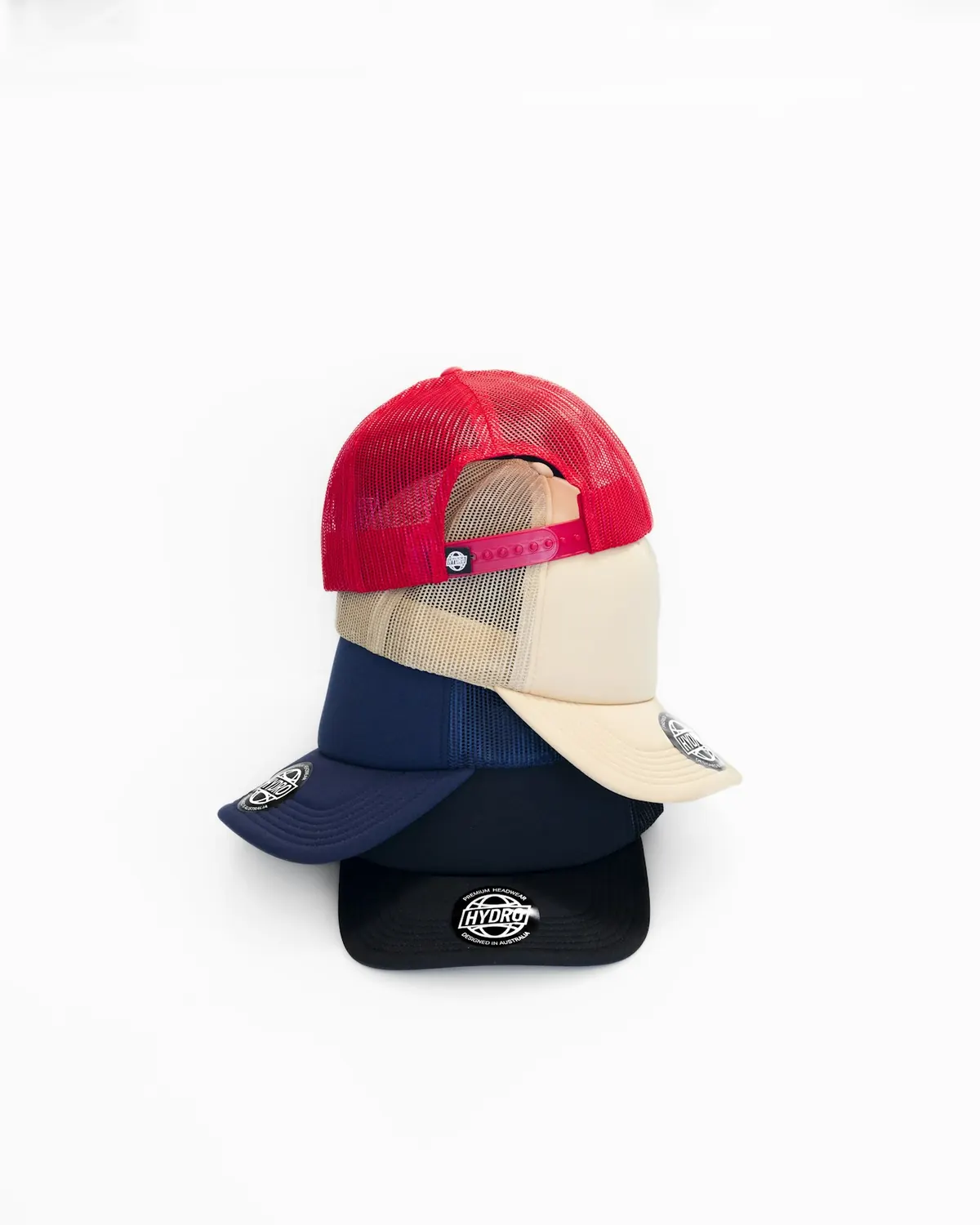
- Cotton twill baseball caps
- Trucker and mesh-back caps
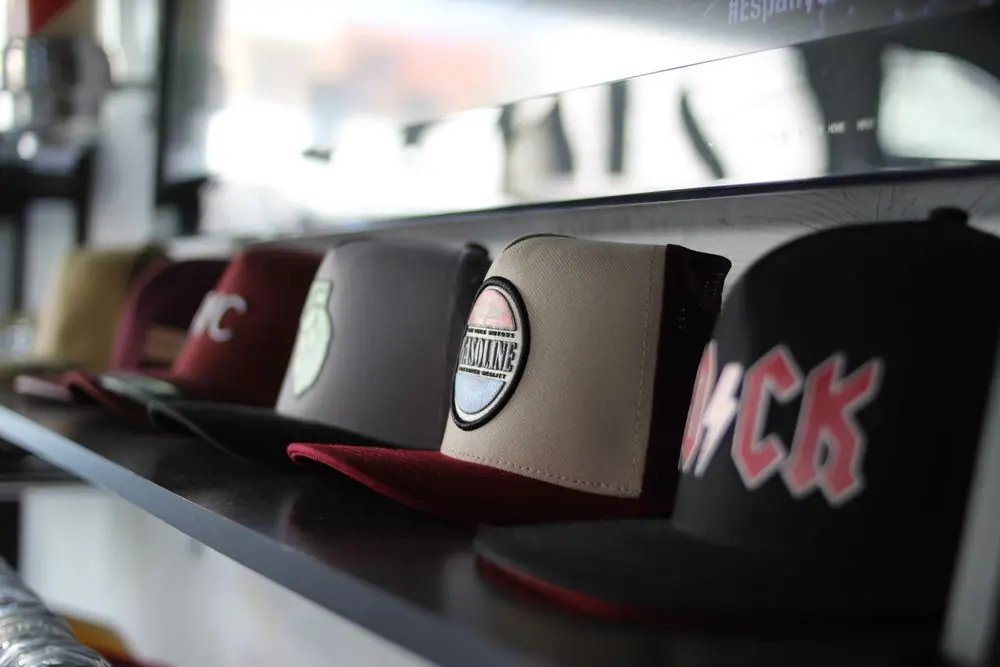
- Snapback and flat-peak caps
- Bucket hats
- Sports and running caps
- Beanies and winter caps
- School and uniform caps
- Kids' caps
Standards: ISO 105 colour fastness, ISO 6330 shrinkage, OEKO-TEX STANDARD 100 on request, AQL 2.5 inspection or the standard your project specifies. Importers use Form M through an authorised bank before shipping, and duties and levies apply; used clothing is prohibited. Confirm current rules with your bank and clearing agent.
Price, duties & landed cost in Nigeria
| Quotation currency | USD (EUR on request); you pay in naira (NGN) through your bank |
|---|---|
| Incoterms | EXW, FOB Mundra or Kandla (Gujarat), CFR or CIF Apapa |
| Import taxes | Import duty plus VAT under the ECOWAS CET; Form M and SONCAP apply |
| Import conformity | Importers use Form M through an authorised bank before shipping, and duties and levies apply; used clothing is prohibited. Confirm current rules with your bank and clearing agent. |
| Export documents | Commercial invoice, packing list, certificate of origin, bill of lading; test reports and compliance documents where your market asks for them |
| Payment | 50% advance with order confirmation and 50% before dispatch against export documents; L/C at sight can be discussed for larger orders. |