Southern Africa · EN-ZM
Manufacturer, Wholesaler, Supplier & Exporter in Lusaka, Zambia
Hurain Garments Exporter supplies buyers in Lusaka with 17 garment lines — jeans, shirts, T-shirts, kurtis, kidswear, uniforms, hoodies and caps — shipped from Gujarat with inspection and export documentation.
Market snapshot
- Country
- Zambia
- Currency
- Zambian Kwacha (ZMW)
- Languages
- English
- Gateway port
- via Dar es Salaam
- Indicative sea transit from Gujarat
- 18–28 days (Southern Africa)


Quick answer
Who supplies garments in bulk to Lusaka, Zambia?
Hurain Garments Exporter (Palanpur, Gujarat, India) is a manufacturer, wholesaler, supplier and exporter to Lusaka, shipping schools, institutions & corporate uniforms, retail chains & stores, wholesale & trading houses garments and more to via Dar es Salaam in about 18–28 days by sea, with FOB, CFR or CIF quotations.
As a capital, Lusaka concentrates ministries, head offices, schools and hospitals, which tender for uniforms and buy smart-casual and formal wear in volume.
Lusaka is a wholesale and distribution hub, where traders buy mixed containers of T-shirts, jeans, kidswear and basics for onward sale across Zambia.
Head offices of retailers and distributors in Lusaka plan buying centrally, so consolidated multi-style shipments suit them well.
Wholesalers in Lusaka ask for assortment containers, a mix of fast-moving styles in carton quantities, so stock turns faster than with single-product loads.
Cargo for Lusaka normally arrives through via Dar es Salaam; indicative sea transit from Mundra or Nhava Sheva to Southern Africa is 18–28 days.
Who buys garments in Lusaka — by segment
Schools, institutions & corporate uniforms in Lusaka
Institutional buyers in Lusaka tender for uniforms months before term or contract start. We plan production backwards from the delivery date and keep a buffer for shipping and port delays.
Who buys: Schools and colleges · Hospitals and clinics · Government departments · Security and facility firms

Retail chains & stores in Lusaka
Retailers in Lusaka restock shirts, T-shirts, jeans, kidswear and seasonal fashion every few weeks, and want private-label labelling, hang tags and barcodes applied at source so garments go straight onto the shop floor.
Who buys: Department stores · Shopping-mall brands · Independent boutiques · Hypermarket clothing counters
Wholesale & trading houses in Lusaka
Trading houses in Lusaka sell on to shops and market traders, so they judge a supplier on consistent sizing, stable prices and on-time loading. We pack to the size curve of the buyer's customers and keep repeat styles in stock fabric.
Who buys: Garment wholesalers and jobbers · Import–export trading houses · Market and bazaar traders · Re-export merchants
Workwear & safety clothing in Lusaka
Contractors and industrial plants in Lusaka clothe whole crews at once, ordering coveralls, hi-vis vests, work shirts and trousers in site-by-site size runs with logos and reflective tape applied before shipping.
Who buys: Oil, gas and mining contractors · Construction and engineering firms · Factories and utilities · Ports and logistics
Most-demanded products in Lusaka
Lusaka is the capital of Zambia. Malls, chains and independent shops in Lusaka restock with imported fashion basics. Traders in Lusaka buy garments by the carton and the container for resale across the region.
Lusaka at a glance for garment buyers
Lusaka is the capital of Zambia. Malls, chains and independent shops in Lusaka restock with imported fashion basics. Traders in Lusaka buy garments by the carton and the container for resale across the region.
Who buys garments in Lusaka
Retail chains & stores: Stores in Lusaka plan ranges two seasons ahead. We sample early, grade carefully and photograph each style, so buyers can commit before the season and receive goods before the first campaign.
Wholesale & trading houses: Wholesalers in Lusaka buy garments by the carton and the container, favouring fast-moving sizes and colours of T-shirts, jeans, leggings and kidswear. Mixed-style containers let them test new lines without carrying a large stock of any one design.
Workwear & safety clothing: Heavy industry in Lusaka wants workwear that survives industrial laundering and hard use, so fabric weight, seam strength and colour-fastness are tested and reported before dispatch.
Schools, institutions & corporate uniforms: Schools, hospitals and agencies in Lusaka order uniforms every year, usually matched to an approved shade and repeated season after season. A supplier who keeps the shade, size chart and embroidery file wins the next tender.
The garment market in Zambia
Zambia is landlocked, importing through Dar es Salaam, Durban and Walvis Bay, and its Copperbelt mines create steady demand for workwear, hi-vis and boots-adjacent clothing.
Buyers here are wholesalers in Lusaka and Kitwe supply retailers; mining and construction contractors buy workwear; schools and NGOs buy uniforms.
What buyers in Lusaka look for
Durable workwear, coveralls, jeans, T-shirts, and school uniforms are in demand; hoodies and jackets sell in winter.
Summers are warm and wet from November to April, with a cool, dry winter from May to August. Peaks follow school terms in January, May and September, and Christmas.
Planning garment orders for Lusaka
Summers are warm and wet from November to April, with a cool, dry winter from May to August. Peaks follow school terms in January, May and September, and Christmas. We ship from Mundra, Kandla or Nhava Sheva to Dar es Salaam in about 18–28 days; production takes 25 to 60 days, so confirm peak-season orders for Lusaka three to five months ahead.
How an order reaches Lusaka
Goods for Lusaka are cut, sewn and finished in our partner factories, inspected on an AQL basis and consolidated at our Gujarat base, then loaded at Mundra, Kandla or Nhava Sheva. The container is discharged at Dar es Salaam, and your clearing agent moves it on to Lusaka. We quote FOB, CFR or CIF, and we send the invoice, packing list, certificate of origin and bill of lading as soon as the container is loaded.
Importers in Lusaka usually start with a mixed first container to test the market: two or three fast-moving basics, one design-led line and a few trial styles. Repeat orders then concentrate on the lines that sell, which shortens the lead time because fabric and patterns are already on file.
Why importers in Lusaka source garments from India
Durable workwear, coveralls, jeans, T-shirts, and school uniforms are in demand; hoodies and jackets sell in winter. Indian factories supply the fabrics these buyers ask for, such as cotton, rayon, linen blends, denim and knits, in small design runs, which suits importers in Lusaka who test a range before they commit to larger orders.
Wholesalers in Lusaka and Kitwe supply retailers; mining and construction contractors buy workwear; schools and NGOs buy uniforms. A mixed first container with two or three fast-moving basics, one design-led line and a few trial styles is the usual way in, and repeat orders then concentrate on what sells.
Garments in highest demand in Lusaka
Trousers & Cargo Pants: Chinos and cargo pants bridge work and weekend wear, and utility versions are bought by contractors and uniform suppliers.
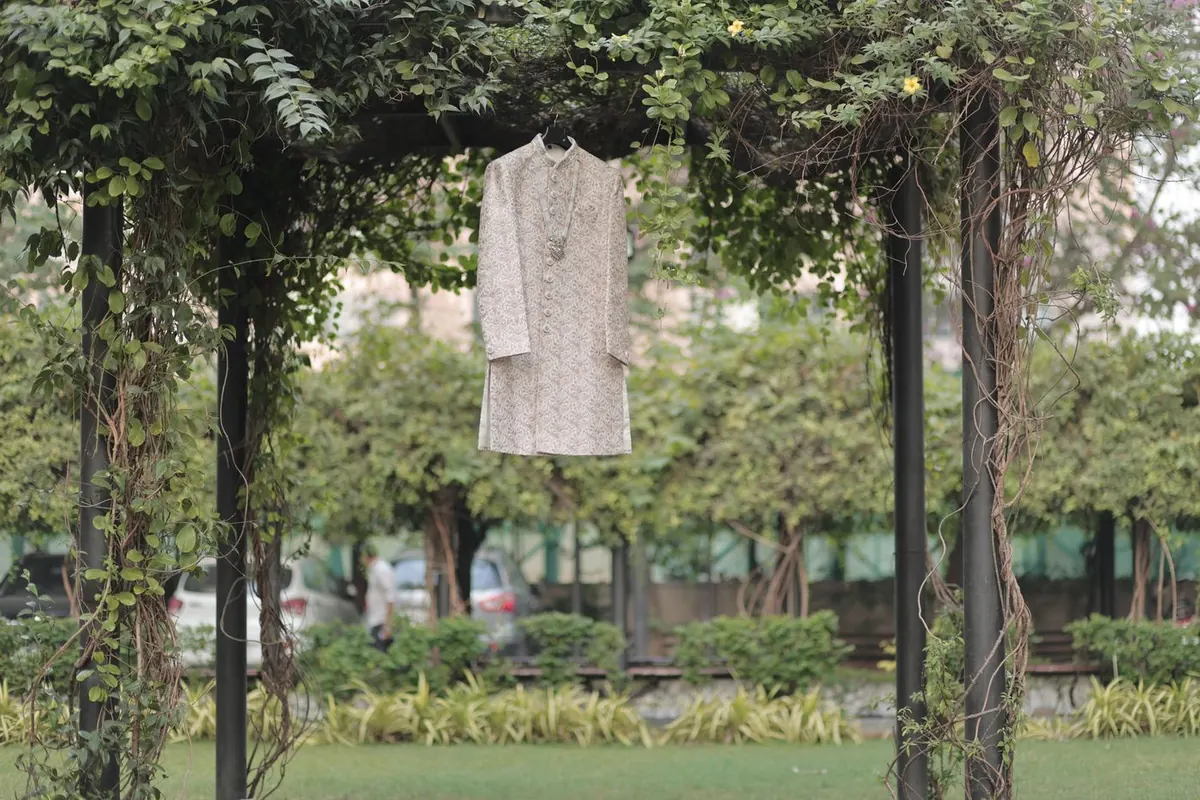
Shirts: Formal and casual shirts are staple stock for menswear retailers and uniform suppliers, reordered as sizes and colours sell out.
T-Shirts: T-shirts are the highest-volume garment: bought as retail basics, promotional merchandise and event wear, in plain and printed styles.
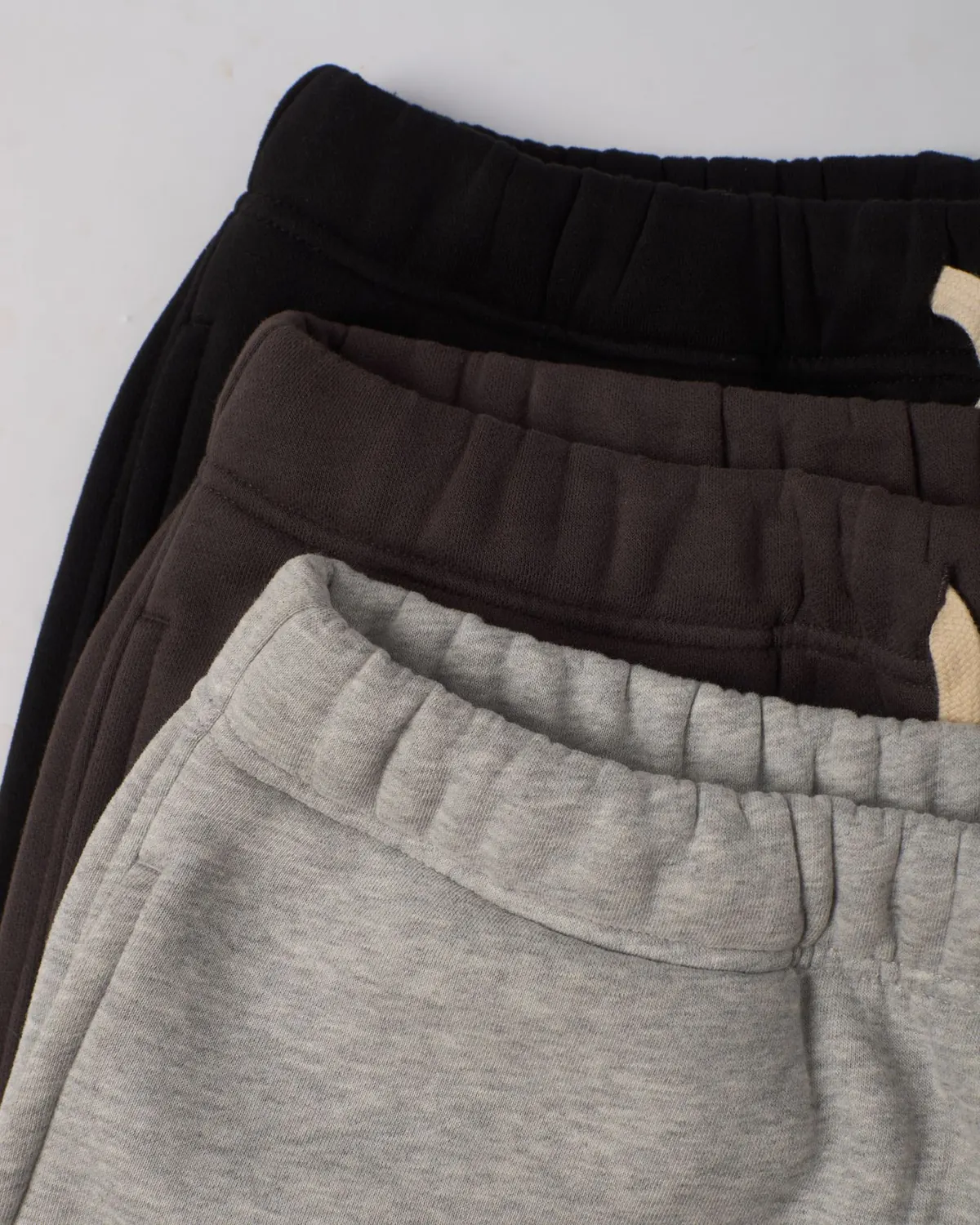
Track Pants & Shorts: Track pants and shorts serve sport, home and travel, and are easy for wholesalers to sell because they fit many body sizes.
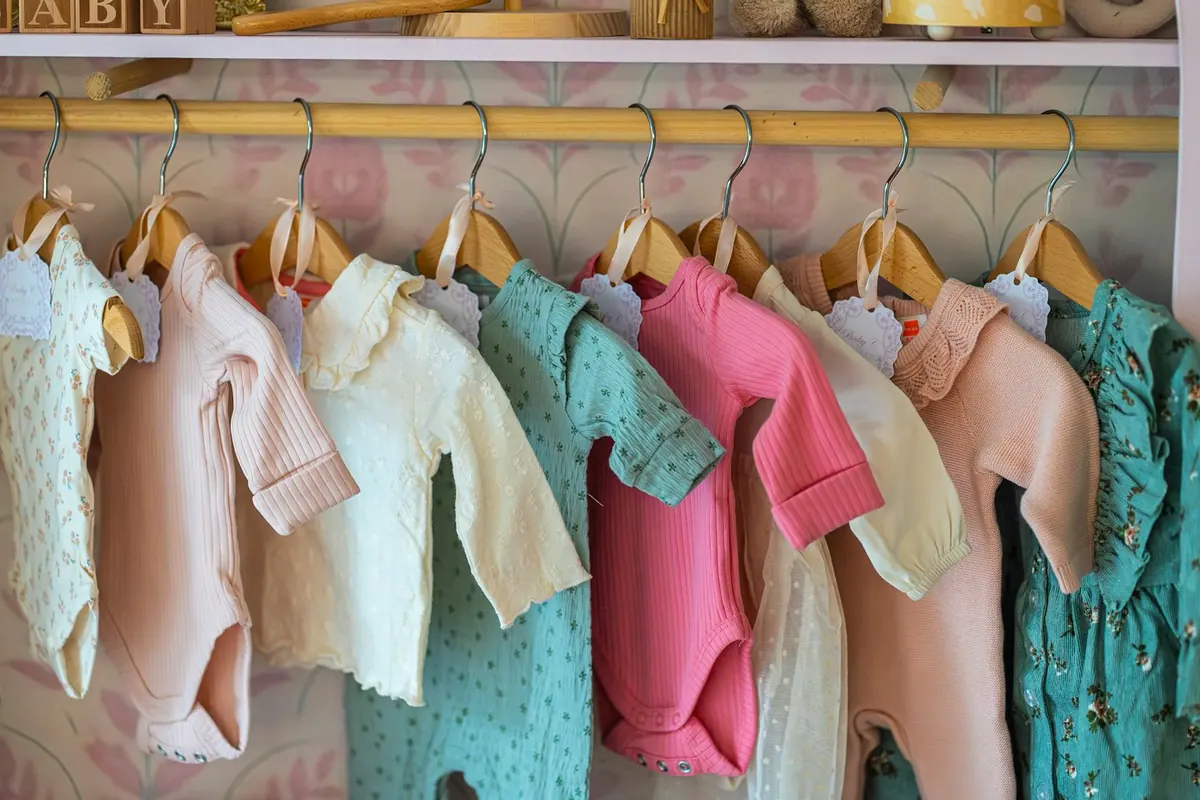
Kidswear: Children outgrow clothes quickly, so kidswear is replaced every season, with back-to-school and festive peaks.
Jeans: Denim is the garment that sells in every market: jeans are bought for every season, and retailers and wholesalers reorder washes and fits as sizes sell through.
Leggings: Leggings are among the highest-volume women's garments, bought by wholesalers and retailers in dozens of colours and reordered constantly.
Caps: Caps are cheap to ship and easy to brand, so they feature in promotional orders, school and event wear, and retail accessory ranges.
Printed Shirts: Printed shirts are fast fashion for warm-weather and resort markets: designs age quickly and are replaced each season.
Ladies Tops & Dresses: Women's tops and dresses are trend products: styles are bought for a season and replaced, so online sellers and boutiques value small, fast runs.
Abayas & Kaftans: Abayas and kaftans are the core of modest fashion, with demand concentrated before Ramadan and Eid and orders placed months ahead.
School Uniforms: Schools reorder uniforms every term; tenders are won on price and lost on delivery, and a matching shade must be repeated for years.
Doing business with India from Lusaka: local guide
Working days, time difference, customs system, trade-agreement duty and the seasons to plan orders around.
| Weekend | Saturday–Sunday (many trading firms also work Saturday mornings) |
|---|---|
| Our office hours in your time | 24×7 — three 8-hour shifts, every day, so the whole Zambia working day is covered |
| Country calling code | +260 (our WhatsApp: +91 87809 43729) |
| Business languages | English; we correspond in English |
| Currency | Zambian Kwacha (ZMW); quotations in USD |
| Customs system | ASYCUDA World |
| Tariff framework | COMESA and SADC member |
| Trade agreement with India | No India-specific trade agreement; standard (MFN) duty applies |
| Plan orders around | the Christmas–New Year period, when many buyers and forwarders close |
Trade & logistics for Lusaka
| Country | Zambia |
|---|---|
| Currency | Zambian Kwacha (ZMW) |
| Languages | English |
| Gateway port | via Dar es Salaam |
| Indicative sea transit from Gujarat | 18–28 days (Southern Africa) |
| Import taxes | Customs duty plus VAT (SACU / SADC frameworks where applicable) |
| Quotation currency | USD (EUR on request) |
| Incoterms | EXW, FOB, CFR, CIF |
Transit times and tax notes are indicative. Zambia is landlocked, so cargo moves by sea to the transit port and then by road or rail; we coordinate the sea leg and documents, and your forwarder handles the inland leg. Confirmed schedules, HS codes and duties are set out at quotation stage.
Lusaka at a glance for buyers
Capital & institutional hub
Typical orders: schools, institutions & corporate uniforms, retail chains & stores.
Trade & wholesale hub
Typical orders: wholesale & trading houses, retail chains & stores.
FAQ
Importing to Lusaka — frequently asked questions
Do you export garments to Lusaka?
Yes. Hurain Garments Exporter exports ready-made garments — jeans, shirts, T-shirts, kurtis, kidswear, uniforms, hoodies and caps — to buyers in Lusaka, by sea (FCL or LCL) and air, with full export documentation.
Which port do you ship to for Lusaka?
Shipments for Lusaka usually move through the transit corridor via Dar es Salaam. We quote FOB Indian port, CFR or CIF via Dar es Salaam, and can coordinate onward delivery through your forwarder.
How long does shipping from India to Lusaka take?
Indicative sea transit from Gujarat ports to Southern Africa is about 18–28 days, plus 25–60 days of production. The confirmed schedule depends on the carrier and routing and is given in the quotation.
Do you quote in Zambian Kwacha?
Export quotations are issued in USD (EUR on request). Buyers in Lusaka pay in Zambian Kwacha (ZMW) through their bank, which converts at the prevailing rate.
What import taxes apply to garments in Zambia?
Customs duty plus VAT (SACU / SADC frameworks where applicable). Rates change, so confirm the HS code and duty with your customs broker before finalising landed cost; we supply the invoice, packing list and certificate of origin needed for clearance.
What do buyers in Lusaka look for in garments?
Durable workwear, coveralls, jeans, T-shirts, and school uniforms are in demand; hoodies and jackets sell in winter.
When should importers in Lusaka place garment orders?
Summers are warm and wet from November to April, with a cool, dry winter from May to August. Peaks follow school terms in January, May and September, and Christmas. Confirm peak-season orders three to five months before the shelf date.
Which rules apply to garment imports in Zambia?
Goods transit through Tanzania, South Africa or Namibia and clear with an import declaration at the border; check COMESA and SADC rules with your broker.
Who buys garments from India in Lusaka?
Wholesalers in Lusaka and Kitwe supply retailers; mining and construction contractors buy workwear; schools and NGOs buy uniforms.
Can I combine different garments in one container to Lusaka?
Yes. Men's, women's, kids', uniform and activewear lines can be consolidated into one FCL or LCL shipment to Lusaka with one set of documents, which usually lowers freight and clearance cost.
Request a quotation
Sourcing for Lusaka? Send your list.
Share product, specification, quantity and destination port. Our export team replies with price, MOQ, packing and lead time.