Buying Guides
How to Choose a Reliable Wood Screws & Drywall Screws Manufacturer, Wholesaler, Supplier & Exporter
By Global Fasteners Exports · 8 min read · Updated 2026-09-24
Why wood screws and drywall screws aren't interchangeable despite looking similar, and what coating matters most for treated lumber and outdoor decking.
Why wood screws and drywall screws aren't interchangeable
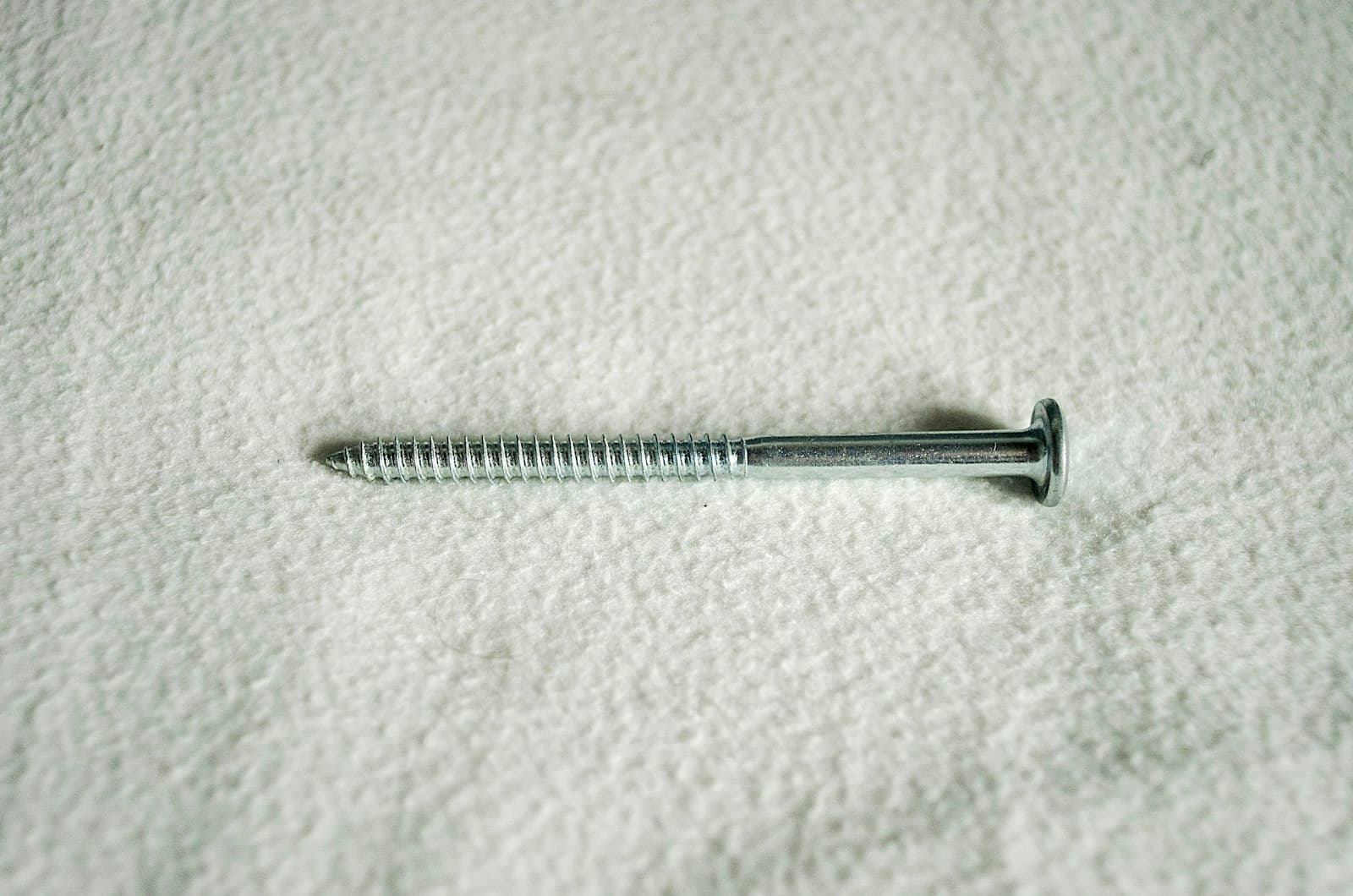
Wood is a fundamentally inconsistent base material compared to metal, and screw design has evolved specifically to manage that: a traditional wood screw's tapered shank and coarse thread are built to avoid splitting the timber along the grain, while a chipboard screw's aggressive, sharp thread is built for engineered board, which has no grain direction to split along but crumbles differently under load. A supplier substituting a drywall screw for a structural wood screw is offering a part that's hardened but brittle — it can snap under the shear loads a genuine structural wood screw is designed to handle.
Coating selection for treated lumber and decking
Modern ACQ-treated lumber corrodes standard zinc-plated screws faster than untreated timber does — a supplier should know to recommend a coating rated for treated wood contact, or stainless steel, if you mention treated lumber or decking. Yellow zinc and black phosphate suit general indoor furniture and joinery use; stainless steel 304/316 is the right call for decking and outdoor timber exposed to weather.
Head style must match the installation method
Countersunk and round head wood screws suit furniture and joinery; bugle head drywall screws are shaped specifically to countersink into paper-faced gypsum board without tearing it. A supplier quoting a generic "wood screw" without asking about your board material and installation method may be missing this distinction.
Common mistakes and how a good supplier prevents them
Skipping pre-drilling near board edges is a frequent installation error — edge and end-grain fixings are the most likely to split without a pilot hole, even in softwood, and a supplier should mention this if you're buying for edge-heavy furniture assembly. Using drywall screws in structural timber joints is a more serious mistake with real safety implications, since drywall screws simply aren't designed for the shear loads a structural connection needs to handle.
Verification before a bulk order
Thread-forming performance and head-drive fit should be checked against the relevant DIN standard for consistent installation — ask your supplier how they verify this across a large batch, particularly for construction projects where inconsistent screws slow down installation crews.
Volume planning
A standard 20ft container (~20 tons) typically holds several million pieces of wood screws in common sizes — exact quantity depends on length and gauge and should be confirmed at quote time.
Questions worth asking before you order
• Am I ordering for treated lumber or decking, and if so, what coating or material do you recommend?
• Is this application structural, and if so, are you quoting genuine wood screws rather than drywall screws?
• What head style suits my specific board material and installation method?
• How do you verify thread-forming performance and head-drive fit across a bulk batch?
Where wood and drywall screws show up, and why the application changes the spec
Furniture and joinery assembly in softwood and engineered board is the classic wood-screw application, where head style and finish both affect the finished appearance. Drywall and interior fit-out uses bugle-head screws fixing gypsum board to metal or timber studs at very high volume. Decking and outdoor timber demands corrosion-resistant coatings or stainless steel given multi-year weather exposure. General construction formwork and timber fastening is more cost-sensitive and typically uses standard zinc-plated screws where corrosion resistance is less critical.
How pricing typically breaks down
Yellow zinc and black phosphate coatings are the standard, cost-effective options for general indoor use. Stainless steel 304/316 for decking and outdoor timber costs meaningfully more but avoids the corrosion staining and fastener failure that would otherwise occur well before a deck's intended service life. Drywall screws are typically priced by the box at very competitive per-unit rates given construction volume demands.
Lead time considerations
Standard wood screws and drywall screws in common sizes and finishes are almost always ready stock given the volume these move at for construction and furniture manufacturing. Stainless decking screws and less common lengths may require slightly more lead time — plan ahead for larger decking projects specifically.
Manufacturer, wholesaler, supplier, or exporter — which do you actually need for wood and drywall screws?
For coatings matched to treated lumber or decking, you're evaluating a manufacturer's finishing process. For general construction and drywall screws at high volume, wholesale pricing matters most given the price sensitivity of construction procurement. Furniture manufacturers with recurring board-material needs typically want a stable supplier relationship, while construction hardware distributors need an exporter who can move very high piece counts efficiently.
A pre-order checklist
• Wood screw vs. drywall screw confirmed against the structural or non-structural nature of the joint.
• Coating confirmed against treated lumber (ACQ-compatible) or decking (stainless) requirements.
• Head style confirmed against the board material and installation method.
• Pre-drilling requirement flagged for edge or end-grain fixings.
Export packing, customs, and shipping notes for wood and drywall screws
Construction-grade screws ship in very high piece counts, so carton weight and pallet stability matter. Standard bulk cartons of fixed counts speed up distribution to your customers.
For retail distribution, specify blister packs, labeling language, and barcodes before production.
Quick answers: common questions from first-time buyers
Can I use drywall screws for wood framing?
Not for structural joints. Drywall screws are hard but brittle and can snap under shear.
Do I need to pre-drill?
Near edges, ends, and in hardwood, yes. Softwood away from edges often does not need it.
What screw for treated timber?
Use a coating rated for treated lumber or stainless steel, since modern treated wood corrodes standard zinc plating faster.
What to include in your enquiry
Send these details with your enquiry and the first quote will be accurate, without a round of follow-up questions:
• Wood, chipboard, or drywall screw
• Gauge and length
• Head and drive type
• Board material
• Coating (zinc, phosphate, stainless)
• Pack size for distribution
If any item is unknown, say so. We will suggest a suitable option and mark it clearly in the quotation for you to approve.
How we approach wood screw and drywall screw orders
We confirm head type, thread pattern, and coating for your target board material before production, case-harden drywall screws for consistent drive performance, and recommend ACQ-compatible or stainless coatings for treated lumber and outdoor decking — tell us your board material and environment and we'll recommend the right screw and finish.
Related Products

More guides
- How to Choose a Reliable Hex Bolts Manufacturer, Wholesaler, Supplier & Exporter
- How to Choose a Reliable Hex Nuts Manufacturer, Wholesaler, Supplier & Exporter
- How to Choose a Reliable Machine Screws Manufacturer, Wholesaler, Supplier & Exporter
- How to Choose a Reliable Self-Tapping Screws Manufacturer, Wholesaler, Supplier & Exporter
Ready to source with Global Fasteners Exports?
Send your product list, quantities, and destination port for a quote within 1-2 business days.